Gem Mining with Kids: A Family Guide
Updated 2026-11-04 · 1028 words
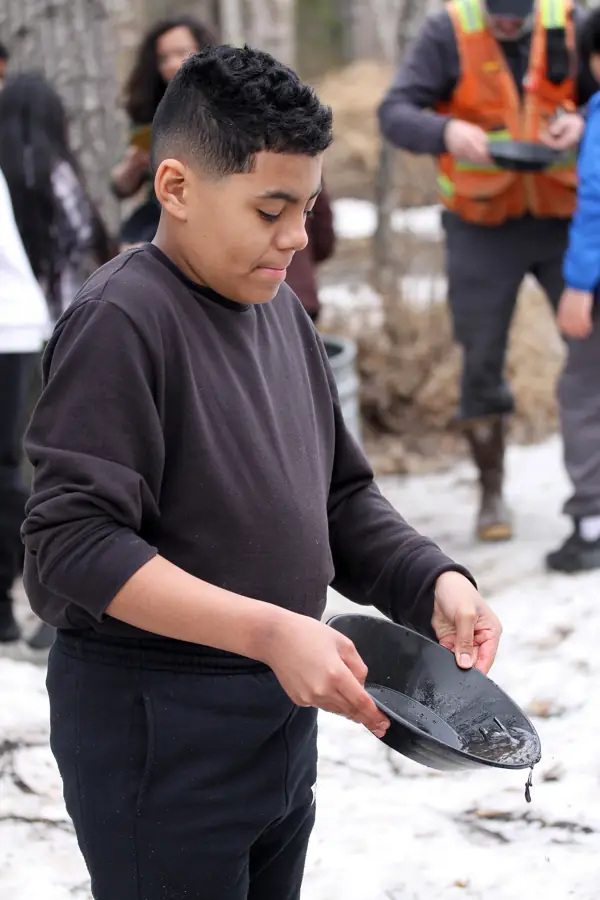
Photo: BLM Alaska, Public domain (credits). Illustrative.
Gem mining is one of the easiest outdoor activities to do with kids: a bucket of gravel at a flume works for preschoolers, while older children can pan for gold, split rock for crystals, or search a diamond field. For young children, choose a pay-to-dig mine with a covered flume and short sessions; for school-age kids, try gold panning lessons, crystal digging or fossil collecting. Check age rules first: Herkimer Diamond Mines, for example, does not give tools to children 4 and under. This guide matches activities to ages and covers safety, gear and keeping kids interested.
Best activities by age
Ages 3 to 5
- Flume and bucket mining. Kids pour gravel into a screen, wash it in a trough, and pick out colorful stones. Enriched buckets guarantee finds, which keeps small children happy. See salted vs. native buckets.
- Surface hunting. Searching loose rubble for sparkling crystals, as at Herkimer, works well without tools.
- Keep sessions short and have snacks and a change of clothes ready.
Ages 6 to 9
- Gold panning lessons. Marshall Gold Discovery State Historic Park in California offers 15-minute panning lessons in troughs, and Reed Gold Mine in North Carolina offers panning for a fee. Troughs are safer than creeks for this age. See how to pan for gold.
- Native gravel mining at places like Franklin, North Carolina, or Montana's sapphire mines, where kids learn to recognize real stones.
- Fossil collecting at sites that allow it. Penn Dixie in Hamburg, New York, describes itself as a place where visitors can collect and keep Devonian fossils. See the fossil hunting guide.
Ages 10 and up
- Crystal digging in Arkansas, or Herkimer diamond mining with a hammer and safety glasses. See Arkansas quartz digging and Herkimer diamonds.
- Diamond hunting at Crater of Diamonds State Park, which Arkansas State Parks describes as a 37-acre plowed field where finders keep what they find.
- Rockhounding on public land with an adult, learning about land rules. See the rockhounding laws guide.
Family-friendly sites in our directory
- Herkimer Diamond Mines, New York: above-ground surface mines and sluicing.
- Crater of Diamonds State Park, Arkansas.
- Reed Gold Mine State Historic Site, North Carolina.
- Cherokee Ruby & Sapphire Mine, North Carolina.
- Penn Dixie Fossil Park & Nature Reserve, New York.
- Spokane Bar Sapphire Mine, Montana.
Check each site's official page for current hours, fees and age rules.
Safety
- Water. Supervise children at all times near water. California State Parks warns visitors about the dangers of the American River at Marshall Gold Discovery. Choose troughs and flumes over creeks for young kids.
- Eyes and hands. Children who use hammers need safety glasses and gloves. Keep younger kids well back from anyone hammering. See safety gear.
- Heat and storms. Many sites close in severe weather. Reed Gold Mine says panning stops during moderate to heavy rain, for 30 minutes after thunder, and when the heat index tops 103 degrees.
- Old mines. Teach kids never to enter old mine openings. MSHA warns that abandoned mines contain vertical shafts, unstable ground and bad air.
- Sun. Hats, sunscreen and shade breaks.
What to bring
- Closed-toe shoes and clothes that can get wet
- A change of clothes and towels
- Snacks and water
- A magnifier or loupe (loupes)
- Egg cartons or small containers for finds
- Hand wipes
See the full gem mining trip checklist.
Keeping kids interested
- Set expectations. Explain that real stones may be small or rough.
- Make it a treasure hunt. Give kids a list of minerals to look for.
- Teach a little science. Gold sinks because it is heavy; USGS gives its specific gravity as about 19.3. Quartz is hard enough to scratch glass.
- Sort and label finds together after the trip.
- Turn finds into projects: a display box, a rock tumbler batch or a piece of jewelry. See the rock tumbling guide.
Choosing the right first trip
For a first outing, pick a site with restrooms, shade, staff who can help identify stones, and an activity that guarantees some success. A pay-to-dig flume with an enriched bucket is the easiest choice: kids see colorful stones within minutes, and staff can explain what they found. Once children enjoy that, try native gravel or a creek panning lesson, where finds are rarer but feel more like real discovery.
Plan the day around attention span rather than the clock. Two shorter sessions with a snack break in between usually work better than one long one. If a site has a gift shop or museum, save it for the end as a reward. Bring a small notebook so older kids can record what they found and where, which turns the trip into a science project and helps later with identification.
Managing expectations and value
Be honest that most finds are small, rough and not valuable in money terms. The value is in the experience and in learning to recognize real minerals. Mines that cut or set stones can turn one favorite find into a keepsake; see our guide to cutting and faceting your finds. For identification help at home, see how to identify common finds.
Learning at historic sites
Mine tours and historic sites are great for older kids. Many tours explain how miners worked and what minerals were mined, and some add panning. See our mine tours list and the guide to historic mine tours.
Rainy-day and off-season options
If weather closes an outdoor site, look for indoor flumes, museum mineral halls, or mine tours that run underground, where temperature stays steady. Many mines also sell bags of gravel to take home, which can be washed in a tub or a sink screen later, as long as the muddy water does not go down the drain.
Rules to teach kids
- Only collect where it is allowed, and ask first.
- Leave fossils and artifacts in national parks; NPS rules prohibit removing them.
- Take only what you need, fill holes, and leave the site clean.
FAQ
What age is good for gem mining?
Children as young as 3 can enjoy flume and bucket mining. Hammer-based digging and creek panning suit older children with adult supervision. Check each site's age rules.
Is gem mining safe for kids?
Yes, with supervision. Use troughs or flumes instead of fast water, provide safety glasses for hammering, and avoid old mine openings.
Will kids find something at a gem mine?
Enriched buckets usually guarantee finds. Native gravel can produce real local stones, but finds are less predictable.
What should kids wear gem mining?
Closed-toe shoes, clothes that can get wet and muddy, and sun protection. Bring a change of clothes.
Sources
- Mine – Herkimer Diamond Mines (official site)
- Marshall Gold Discovery SHP – California State Parks
- Reed Gold Mine – NC Historic Sites
- Crater of Diamonds State Park – Arkansas State Parks
- Penn Dixie Fossil Park & Nature Reserve – official site
- Stay Out of Abandoned Mines safety alert – MSHA
- Prospecting for Gold in the United States – USGS
Sources checked 2026-11-04. Rules, hours and fees change; confirm with the operator or land manager before you go.