Rockhounding Laws on US Public Land
Updated 2026-11-04 · 1019 words
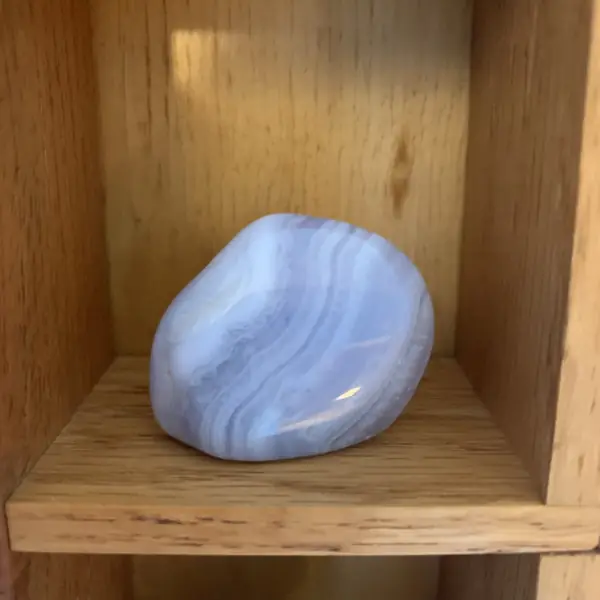
Photo: I2Overcome, CC BY 4.0 (credits). Illustrative.
In the United States, you can generally collect reasonable amounts of rocks and minerals for personal use on Bureau of Land Management land and most national forest land, but collecting is prohibited in national parks and in many state parks. Fossils, petrified wood and anything archaeological have their own rules. This guide summarizes the main federal rules in plain English, with links to the agencies' own pages. It is not legal advice: rules change and local closures apply, so check with the local office before you collect.
Bureau of Land Management (BLM) land
The BLM manages the largest share of public land open to rockhounding, mostly in the West.
Rocks, minerals and gemstones. The BLM says its regulations (43 CFR 8365.1-5(b)(2)) generally allow the public to collect reasonable amounts of nonrenewable resources such as rocks, mineral specimens and semiprecious gemstones for noncommercial purposes. Noncommercial means you are not collecting to sell or for financial gain. The BLM's "Can I Keep This?" page adds that collectors may search the surface or prospect with hand tools such as pans, shovels and metal detectors if it causes no more than minor surface disturbance.
Where you cannot collect on BLM land. The BLM lists exceptions including:
- Developed recreation sites such as campgrounds and picnic areas, unless otherwise permitted
- Lands with active mining claims or other authorized mineral uses, without the claimholder's permission
- Lands where the mineral estate is privately owned
- Wilderness Areas and Wilderness Study Areas, where only non-motorized hand tools may be used and the surface may only be minimally disturbed
Petrified wood. Federal regulations (43 CFR 3622.4) let one person remove, without charge, up to 25 pounds plus one piece of petrified wood per day, with a maximum of 250 pounds per calendar year. Pooling quotas to get larger pieces is not allowed, power equipment and explosives are prohibited, and the wood must be for personal use.
Fossils. The BLM says collecting common invertebrate fossils (such as trilobites or shells) and common plant fossils is allowed in reasonable quantities for personal use. Collecting any fossil with a skeletal structure (dinosaurs, reptiles, fish, birds or mammals), uncommon invertebrate or plant fossils, or dinosaur track casts is not allowed.
Artifacts. The BLM says to leave cultural artifacts in place; removing or damaging them is illegal under the Archaeological Resources Protection Act.
BLM also manages designated rockhounding areas, such as Wiley Well District Geode Beds in California, Garnet Hill in Nevada, the Sunstone Collection Area in Oregon, and Topaz Mountain in Utah. See all rockhounding sites.
National forests (USDA Forest Service)
The Forest Service's rockhounding brochure says most national forest lands are open for rock and mineral collecting, metal detecting, gold panning and prospecting, for personal, hobby and noncommercial use, and that low-level surface disturbance and collection of small samples generally does not require a plan of operations. In national monuments, wilderness areas and other special areas, collecting may or may not be allowed.
Individual forests set more specific rules. Two examples from forest websites:
- Black Hills National Forest (South Dakota and Wyoming): collecting small rocks or minerals from the surface for personal use does not require a permit; no digging or excavating; collecting from archaeological or historic sites is prohibited; and fossil collection is prohibited.
- National Forests in North Carolina: a reasonable amount is generally up to 10 pounds of surface specimens; digging is not permitted for rockhounding; and gold panning is limited to the stream bed with a standard pan and no shovels, picks or sluice boxes.
The lesson: forest rules vary a lot. Call the ranger district before you go.
National parks
National parks are the strictest. Federal regulations at 36 CFR 2.1 prohibit possessing, removing, digging or disturbing a mineral resource, as well as fossilized paleontological specimens and cultural resources, in park areas. The same section prohibits possessing or using a metal detector, except when it is broken down and packed so it cannot be used. In short: look, photograph, and leave it. Famous examples include Petrified Forest National Park, where taking petrified wood is prohibited.
State parks and state land
State rules vary by state and by park. Some state parks are built around collecting, like Crater of Diamonds State Park in Arkansas, where the park states that any rock or mineral you find is yours to keep. Others prohibit it: Iowa's Geode State Park is named after the state rock, but the Iowa DNR says removing geodes from the park is prohibited. Never assume; check the park's official page.
Some states also run designated recreational mining areas. Alaska, for instance, has state recreational mining areas such as Caribou Creek and Petersville. See our Alaska and California gold panning guide.
Private land and mining claims
You need the landowner's permission to collect on private land. On public land, a valid mining claim gives the claimant rights to the minerals, so collecting on a claim without permission is not allowed. Claims are often marked with posts or cairns, but not always. The BLM's mining claims records can help you check.
A practical checklist
- Find out who manages the land. Use a land-status map or the agency's website.
- Read the agency's page and call the local office.
- Check for mining claims if you are in mineral country.
- Collect only reasonable amounts, by hand, for personal use.
- Leave vertebrate fossils and artifacts in place.
- Fill holes and leave no trace.
- Stay out of mine openings. MSHA warns that abandoned mines can contain hidden shafts, bad air and unstable ground.
For more, see our guides to fossil hunting and gold panning.
Commercial collecting
Everything above is about hobby collecting. If you plan to sell what you find, the rules change. The BLM defines noncommercial as not selling items for a business or financial gain, and the National Forests in North Carolina say commercial collecting of mineral or fossil specimens for resale requires authorization, with commercial mineral removal requiring a prospecting permit from the BLM. Talk to the managing agency before collecting for sale.
FAQ
Is it legal to collect rocks on BLM land?
Generally yes. BLM rules allow reasonable amounts of rocks, minerals and semiprecious gemstones for noncommercial use, except in places like developed recreation sites, active mining claims and privately owned mineral estates.
Can I take rocks from a national park?
No. 36 CFR 2.1 prohibits removing or disturbing mineral resources and fossils in national park areas, and prohibits using metal detectors there.
How much petrified wood can I collect on BLM land?
Up to 25 pounds plus one piece per person per day, and no more than 250 pounds per person per calendar year, for personal use, under 43 CFR 3622.4.
Can I collect fossils on public land?
On BLM land, common invertebrate and plant fossils may be collected in reasonable amounts for personal use, but vertebrate fossils may not. Some national forests prohibit fossil collecting, and national parks prohibit it.
Do state parks allow rock collecting?
It depends on the state and park. Crater of Diamonds in Arkansas allows it; Iowa's Geode State Park prohibits removing geodes. Check the park's official page.
Sources
- Rockhounding on Public Lands – Bureau of Land Management
- Can I Keep This? – Bureau of Land Management
- 43 CFR 3622.4 – Petrified wood collection rules
- 36 CFR 2.1 – Preservation of natural resources (NPS)
- Rockhounding Guide – USDA Forest Service
- Gold Panning, Rockhounding & Metal Detecting – Black Hills National Forest
- Recreational Mineral Collection – National Forests in North Carolina
- Geode State Park – Iowa DNR
- Crater of Diamonds State Park – Arkansas State Parks
- Mining Claims – Bureau of Land Management
- Stay Out of Abandoned Mines – MSHA
Sources checked 2026-11-04. Rules, hours and fees change; confirm with the operator or land manager before you go.