Gold Panning in Alaska and California: Where You Can Pan Legally
Updated 2026-11-04 · 1030 words
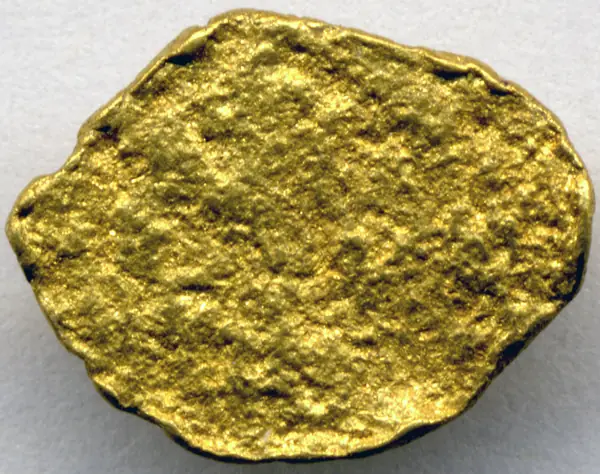
Photo: James St. John, CC BY 2.0 (credits). Illustrative.
Alaska and California are the two most famous gold states, and both have public places where anyone can pan. In Alaska, the Department of Natural Resources has set aside recreational mining areas such as Caribou Creek, Petersville and the Hatcher Pass Public Use Area. In California, Marshall Gold Discovery State Historic Park at Coloma offers panning lessons where the Gold Rush began, and much BLM and national forest land is open to hand panning. The key in both states is knowing who manages the land, whether it is under a mining claim, and which equipment is allowed.
Alaska: state recreational mining areas
The Alaska Department of Natural Resources publishes fact sheets for areas set aside for recreational mining. Three popular areas near Anchorage are summarized here from those fact sheets.
Caribou Creek Recreational Mining Area
- Created in 1991, near about mile 104 of the Glenn Highway.
- Available to recreational mining only; no mining claims are allowed.
- Access is by a steep trail, and the area is pedestrian only.
- Mining is restricted to the active floodplain of the creek.
- Gold pans and hand shovels are allowed year-round. Because the creek supports fish migration, other equipment, such as a metal detector or a small hand-fed sluice box, is allowed only in a set seasonal window listed in the fact sheet.
- Sluice boxes, high bankers and rocker boxes must be set back so sediment-laden water does not flow into the creek, and a water pump needs a permit from the Alaska Department of Fish and Game.
Petersville Recreational Mining Area
- Designated in 1997 along Peters Creek under Alaska Statute 41.23.630(b).
- Closed to new mining claims.
- Reached by the Petersville Road from Trapper Creek, about 115 miles north of Anchorage; DNR recommends four-wheel-drive or high-clearance vehicles.
Hatcher Pass Public Use Area
- About fifteen miles north of Palmer on the Little Susitna River, managed primarily by the DNR Division of Parks and Outdoor Recreation.
- Recreational mining is allowed anywhere within the public use area except on valid active mining claims; DNR recommends the Gold Mint Trail, which follows the Little Susitna River north for about eight miles.
- DNR notes you may also pan at Independence Mine State Historical Park after getting the park's brochure and speaking with staff at the visitor center.
Always download the current fact sheet before you go. Rules on equipment and seasons are specific to each area.
Alaska: federal land and other options
BLM manages large areas in interior Alaska, including the White Mountains National Recreation Area north of Fairbanks, where federal recreation listings show gold panning as an activity. BLM says hand tools such as pans and shovels are generally fine for casual use where land is open, but mining claims are private rights to the minerals, so check claim status before panning. Our directory also lists BLM campgrounds in the White Mountains, including Cripple Creek, Marion Creek and Mount Prindle, and a gold panning attraction in Tok.
California: Marshall Gold Discovery State Historic Park
California State Parks says James Marshall found gold in 1848 on the South Fork of the American River at Coloma, setting off the California Gold Rush. The park offers 15-minute gold panning lessons in troughs and warns visitors about the dangers of the river: cold, fast water is a serious hazard, even in summer. Check the park's page for current programs and fees before you go.
California: public land and mines in our directory
Much of California's gold country is national forest or BLM land. The Forest Service's rockhounding brochure says most national forest lands are open to recreational collecting, metal detecting, panning and prospecting for personal use, but individual forests set their own limits, and many streams are covered by mining claims. BLM similarly allows casual use with hand tools where land is open. Motorized equipment and suction dredging have separate rules and often require permits; check with the local office before using anything beyond a pan and shovel.
Listings in our directory include:
- Gold panning area, Big Bear City in the San Bernardino Mountains
- Sutter Gold Mine and Kennedy Gold Mine in the Mother Lode
- Campgrounds near gold-bearing rivers, such as Sierra Campground on the North Yuba River, Willow Placer, Railroad Flat and McCabe Flat
- Dry Creek Group Campground in Whiskeytown National Recreation Area; note that NPS rules generally prohibit removing minerals, so check with the park before panning
National parks are different
National Park Service rules under 36 CFR 2.1 prohibit disturbing or removing minerals, which includes gold, unless a park has a specific exception. If you are in a national park or national recreation area managed by NPS, ask a ranger before panning.
Equipment basics
A 14-inch pan, a classifier screen, a snuffer bottle and a vial are enough to start. See gold pans and kits and our guide to how to pan for gold. If you want to process more gravel where it is allowed, read sluice box vs. gold pan first. Metal detecting for nuggets is covered in our metal detector guide.
Where gold collects
USGS explains that gold is about 19 times heavier than water, while common gravel is about 2.5 times heavier, so gold sinks and collects in low-energy spots: on bedrock, in cracks, behind boulders and on the inside of bends. Black sand, mostly magnetite, often travels with fine gold. Working those spots gives you the best chance of color in your pan.
Leave no trace
Fill any holes you dig, keep gravel out of flowing water where rules require it, pack out trash, and never disturb historic structures or artifacts, which are protected by federal law on public land.
Safety
- Cold, fast water kills. Never wade in high or fast water, and supervise children closely.
- Alaska trails can be steep, and weather changes quickly. Carry layers, rain gear, water and bug protection.
- Stay out of old mine workings. MSHA warns that abandoned mines can contain unstable ground, vertical shafts and bad air.
See all Alaska listings, California listings and the national gold panning list.
FAQ
Where can I pan for gold for free in Alaska?
Alaska DNR recreational mining areas such as Caribou Creek, Petersville and the Hatcher Pass Public Use Area allow recreational panning. Read each area's DNR fact sheet for current rules.
Where can I pan for gold in California?
Marshall Gold Discovery State Historic Park offers lessons, and many national forest and BLM lands are open to hand panning where there are no mining claims.
Do I need a permit to pan for gold?
Usually not for hand panning on open federal land, but motorized equipment and dredges often need permits, and mining claims are off-limits without the owner's permission.
Can you pan for gold in national parks?
Generally no. NPS rules under 36 CFR 2.1 prohibit removing minerals unless a park makes a specific exception.
Sources
- Caribou Creek Recreational Mining Area fact sheet – Alaska DNR
- Petersville Recreational Mining Area fact sheet – Alaska DNR
- Hatcher Pass Public Use Area fact sheet – Alaska DNR
- Marshall Gold Discovery SHP – California State Parks
- Rockhounding brochure – USDA Forest Service
- Can I Keep This? – Bureau of Land Management
- 36 CFR 2.1 – Cornell LII
- Prospecting for Gold in the United States – USGS
- Stay Out of Abandoned Mines safety alert – MSHA
Sources checked 2026-11-04. Rules, hours and fees change; confirm with the operator or land manager before you go.