Metal Detecting for Gold: A Beginner's Guide
Updated 2026-11-04 · 1010 words
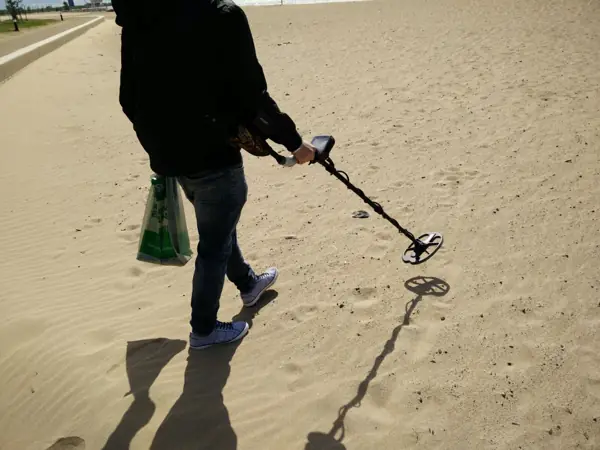
Photo: Kyösti Viinamäki, CC BY-SA 4.0 (credits). Illustrative.
You can metal detect for gold on much of the public land in the western United States, but not everywhere. The Bureau of Land Management treats metal detectors as hand tools that are generally fine for casual collecting where land is open, and the Forest Service says most national forest lands are open to metal detecting for personal use. National parks are the big exception: NPS rules ban metal detectors unless they are broken down and packed away. This guide covers where detecting is allowed, how gold detectors differ from coin detectors, and the field technique beginners need.
Where you can detect
BLM land
BLM's "Can I Keep This?" page lists metal detectors with gold pans and shovels as hand tools that can generally be used for casual collecting, as long as disturbance is minor. In designated Wilderness and Wilderness Study Areas, only non-motorized hand tools are allowed. BLM's rockhounding page notes that collecting is not allowed on developed recreation sites, on mining claims, or where the minerals are privately owned.
National forests
The Forest Service's rockhounding brochure says most national forest lands are open to recreational collecting, metal detecting, gold panning and prospecting for personal use. Individual forests add their own rules. For example, the Black Hills National Forest says hand panning needs no permit, but motorized equipment requires a Notice of Intent, collection is limited to the surface, and wilderness and withdrawn areas are closed.
National parks
Under 36 CFR 2.1(a)(7), NPS prohibits possessing or using a metal detector in park areas unless it is broken down and packed, with limited exceptions. NPS rules also prohibit removing minerals. Do not detect in national parks or monuments managed by NPS.
State and private land
Rules vary widely by state, and many state parks prohibit detecting or removal of objects. On private land, get the owner's permission. Never detect on an active mining claim without the claim holder's permission; claims are private mineral rights even on public land.
Artifacts and the law
Gold is not the only thing a detector finds. Old coins, bullets and relics on federal land may be protected. BLM notes that the Archaeological Resources Protection Act protects archaeological resources on public land. If you find something that looks historic, leave it in place and report it to the land manager.
How gold detectors differ
Gold nuggets are small, irregular and often buried in mineralized soil. USGS notes that placer gold is found in stream gravels and that black sands, mostly magnetite, often travel with it. Those iron-rich minerals create ground noise that confuses basic detectors.
There are two main detector technologies:
- VLF (very low frequency). Most coin and relic detectors are VLF. Gold-focused VLF models run at higher frequencies, which makes them more sensitive to small nuggets. They are lighter and cheaper, and they discriminate between metals.
- PI (pulse induction). PI detectors handle heavily mineralized ground better and can detect deeper, but they discriminate poorly, are heavier, and cost more.
For a first gold detector, a gold-tuned VLF is the usual choice. See our metal detector picks and the official sites of major makers such as Minelab and Garrett for specifications.
Essential accessories
- Headphones, to hear faint signals.
- A pinpointer, to find the target in a dug hole.
- A pick or digging tool and a scoop.
- A pouch for trash and finds. Detecting in gold country means digging a lot of nails and lead.
- A magnet, to remove iron from the hole and check targets.
See rock hammers and picks and safety gear.
Field technique
- Ground balance. Follow the detector's instructions to balance for local mineralization every time you change areas.
- Swing low and slow. Keep the coil just above the ground and overlap each sweep.
- Dig every repeatable signal. Small nuggets can sound like trash, especially to beginners.
- Check the hole and the dirt. Use the pinpointer and pass handfuls of soil over the coil to locate small targets.
- Fill every hole. Minor disturbance is part of what makes casual use legal.
Where to search
USGS explains that gold is heavy and collects where water slows down: on bedrock, in cracks, behind obstacles and on the inside of bends. In dry country, nuggets are often found in old placer areas, in shallow soil over bedrock, and around historic workings. Start in areas known to have produced placer gold, check land status, and avoid claims.
Safety
- MSHA warns that abandoned mines contain vertical shafts, unstable ground and bad air. Stay out of old workings and watch for open shafts while detecting.
- Carry water, sun protection and navigation in desert and mountain areas.
- Tell someone where you are going.
Combine detecting with panning
Many prospectors detect the bedrock and soil, then pan the material from productive spots. See how to pan for gold and sluice box vs. gold pan.
Where to start
Browse the gold panning and rockhounding lists for public sites, then check land status with the managing agency. In Alaska and California, see our guide to gold panning in Alaska and California.
Detecting etiquette
- Pack out all trash you dig, including nails, foil and lead. It improves the area for the next person.
- Leave gates as you find them and stay off closed roads.
- Respect claim markers. Corner posts and notices mean someone holds the mineral rights.
- Keep disturbance minor. Use small holes, refill them, and avoid digging around plants and tree roots.
- Ask before detecting near campsites or other visitors, and keep your volume down so you do not disturb wildlife or other people enjoying the area.
Realistic expectations
Most beginners dig a lot of trash before they find gold. That is normal. Nuggets are rare, and detecting rewards patience, practice in known areas, and careful technique. Joining a local prospecting club is a good way to learn where detecting is allowed and to see how experienced detectorists work.
FAQ
Can I use a metal detector on BLM land?
Generally yes for casual use. BLM lists metal detectors as hand tools that can be used with minor disturbance, but not on mining claims, developed recreation sites or private mineral estate, and only non-motorized tools in wilderness.
Can I metal detect in national forests?
The Forest Service says most national forest lands are open to metal detecting for personal use. Check the local forest's rules.
Can I metal detect in national parks?
No. 36 CFR 2.1(a)(7) prohibits possessing or using a metal detector in NPS areas unless it is broken down and packed.
What kind of metal detector finds gold?
Gold-tuned VLF detectors running at higher frequencies are the common beginner choice; pulse induction detectors handle mineralized ground and depth better but cost more.
Sources
- Can I Keep This? – Bureau of Land Management
- Rockhounding on Public Lands – Bureau of Land Management
- Rockhounding brochure – USDA Forest Service
- Gold Panning, Rockhounding & Metal Detecting – Black Hills National Forest
- 36 CFR 2.1 – Cornell LII
- Prospecting for Gold in the United States – USGS
- Stay Out of Abandoned Mines safety alert – MSHA
- Minelab – official site
- Garrett Metal Detectors – official site
Sources checked 2026-11-04. Rules, hours and fees change; confirm with the operator or land manager before you go.