Salted vs. Native Gem Mine Buckets
Updated 2026-11-04 · 1076 words
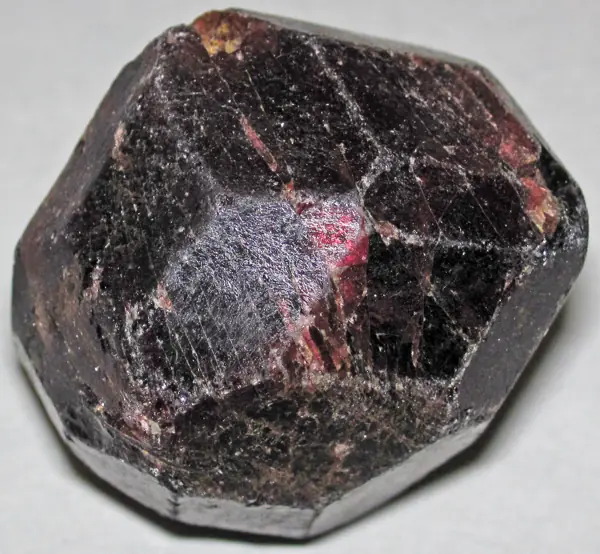
Photo: James St. John, CC BY 2.0 (credits). Illustrative.
A "native" gem mine bucket contains only gravel dug from the mine's own property, while a "salted" or "enriched" bucket has gems from other places mixed in to guarantee finds. Native gravel tells you what the local geology actually produces; enriched buckets make success more predictable, which many families with young children prefer. Neither is a scam when the mine is upfront about it. The key is to ask before you buy, because the bucket alone usually will not tell you.
Why this matters
Pay-to-dig gem mining is a business, and buckets are its main product. A bucket of native gravel from a real gem deposit may contain only a few small stones, or nothing of value. An enriched bucket may contain a dozen colorful stones, some of which could never occur naturally at that site. If your goal is a fun afternoon and a handful of pretty stones, either can work. If your goal is to find something that came out of the ground where you are standing, you want native material.
What "native" means
Native material is gravel or rock taken from the mine's own ground. At mines that work real deposits, what you find reflects local geology. Some examples documented by official sources:
- North Carolina's Cowee Valley and Macon County are known for rubies and sapphires, according to the North Carolina Geological Survey. Cherokee Ruby & Sapphire Mine in Franklin lists native rubies, sapphires and garnets and states that it does not salt or enrich its gravel.
- Alexander County, North Carolina is one of the two counties where, according to the state survey, the state's significant emerald deposits occur. Emerald Hollow Mine in Hiddenite describes prospecting for emeralds and other gemstones by sluicing, creeking and digging.
- Montana's sapphire gravels. Spokane Bar Sapphire Mine near Helena describes washing Montana sapphires from mine gravel, and Gem Mountain describes washing natural sapphire gravel from its mine.
- Dig-your-own sites such as the Herkimer Diamond Mines in New York or the quartz mines of Arkansas are native by nature: you are breaking or digging the mine's own rock.
What "enriched" or "salted" means
Enriched buckets are mine gravel or purchased gravel with added stones. The added material is often tumbled or rough stones bought in bulk, such as amethyst, rose quartz, citrine, aventurine or agate. Some attractions sell themed buckets, such as "fossil" or "arrowhead" buckets. Enrichment is common at roadside attractions, theme parks and mines located far from natural gem deposits.
Enrichment is not inherently dishonest. It turns a sluice into a reliable activity for kids, school groups and people with limited mobility who cannot dig. Problems start only when a mine implies that imported stones came from its own ground.
How to tell which one you are buying
- Ask directly. "Is this native gravel from your property, or is it enriched?" A reputable mine will answer clearly.
- Read the website. Mines that sell native gravel often say so, as Cherokee Ruby & Sapphire does.
- Look at what comes out. Stones that do not occur together in nature, or many polished stones in one bucket, are signs of enrichment.
- Look at the price structure. Many mines sell both: a basic native bucket and pricier enriched buckets. Prices change, so check the mine's own page; we do not list fees unless the mine publishes them.
- Check the local geology. State geological surveys publish what occurs naturally in their state. If a bucket in a state known for quartz turns up emeralds, sapphires and rubies together, it is enriched.
Which should you choose?
Choose enriched if you are with young children, are short on time, or simply want a sure thing. Choose native if you want to learn local geology, are hoping for a stone worth cutting, or want the bragging rights of a true find. Many families do both: a small enriched bucket for the kids and a native bucket or dig for the adults.
Getting the most from a native bucket
Native buckets reward patience. Tips that apply at most flume mines:
- Wash small amounts at a time so you do not miss small stones.
- Learn what the local gem looks like rough. Staff at many mines will show you examples.
- Look for weight, glassy luster and crystal shape rather than bright color. Rough corundum, for instance, often looks dull and opaque.
- Use a 10x loupe to check crystal faces. Our gear page lists loupe basics.
- Ask staff to identify finds before you leave.
What about public land and parks?
Some public sites are native by definition. At Crater of Diamonds State Park in Arkansas, visitors search the plowed surface of an eroded volcanic crater; the park says white, brown and yellow diamonds are found there along with amethyst, garnet, jasper, agate and quartz, and reports that more than 37,000 diamonds have been found by visitors since it became a state park in 1972. On Bureau of Land Management land, rockhounds may collect reasonable amounts of rocks and gemstones for personal use. See our rockhounding laws guide and the rockhounding sites in our directory.
A note on value
Most stones from any bucket, native or enriched, are worth more as souvenirs than as gems. A native ruby or sapphire is usually opaque and better suited to a cabochon than a faceted stone. If you think you have something special, read our guide on getting finds cut or faceted and get it identified first.
Questions to ask before you pay
- Is the gravel native to this property?
- If it is enriched, what is added?
- Can staff identify what I find?
- Do you offer cutting, and what will it cost?
- Is there a native-only option for experienced visitors?
Browse pay-to-dig gem mines by state, or read gem mining for beginners for a full overview.
Making enriched buckets educational
An enriched bucket can still teach real mineralogy. Ask staff to name each stone and where it usually comes from, then sort the finds by type: quartz varieties, feldspar, garnet, and so on. Compare what you found with the minerals your state's geological survey says occur locally. Children often enjoy keeping a small notebook or labeled egg carton of finds, which turns a souvenir bucket into a first rock collection and makes the difference between native and imported stones easy to see.
FAQ
What does salted mean at a gem mine?
Salted or enriched means gems from other places have been added to the gravel so you are sure to find something. Native means the gravel came only from the mine's own ground.
Are salted gem mines a scam?
Not if the mine says so. Enriched buckets are a common family activity. Ask the mine which kind you are buying.
How can I tell if a bucket is native?
Ask the operator, read the mine's website, and compare what you find with what the state geological survey says occurs locally. Many polished stones or gems that never occur together are signs of enrichment.
Which mines say they do not salt their gravel?
Cherokee Ruby & Sapphire Mine in Franklin, North Carolina, states on its website that it does not salt or enrich its gravel. Always confirm with the mine.
Sources
- Cherokee Ruby & Sapphire Mine – official site
- Emerald Hollow Mine – official site
- Spokane Bar Sapphire Mine – official site
- Gem Mountain Sapphire Mine – official site
- NC Geology FAQ – North Carolina Geological Survey
- Crater of Diamonds State Park – Arkansas State Parks
- Rockhounding on Public Lands – Bureau of Land Management
Sources checked 2026-11-04. Rules, hours and fees change; confirm with the operator or land manager before you go.