Gem Mining for Beginners: What to Expect at a Pay-to-Dig Mine
Updated 2026-11-04 · 1226 words
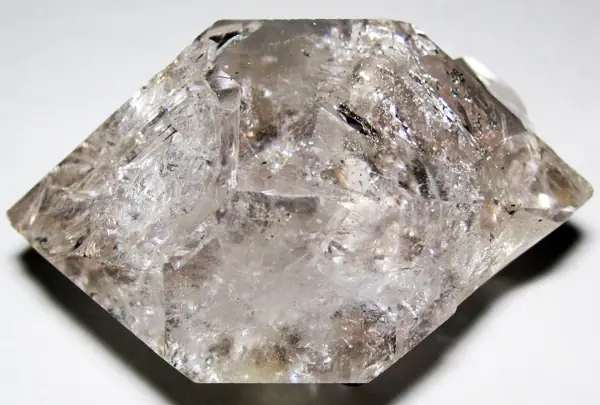
Photo: James St. John, CC BY 2.0 (credits). Illustrative.
Gem mining for beginners usually means a pay-to-dig mine: you pay the operator, then either dig in a designated area or wash buckets of mine gravel at a water flume (sluice) and keep the gems you find under the mine's rules. It is the easiest way to find real stones on a first trip, because the operator handles land access, tools and instruction. This guide explains how these mines work, what you can expect to find, and how to choose one, using information published by the mines themselves and by state and federal agencies.
How pay-to-dig gem mines work
Pay-to-dig mines are private businesses or, in a few cases, public parks that let visitors search for minerals on their property. Most fall into one of three styles:
- Bucket and flume mines. You buy a bucket of gravel, pour it into a screen box and wash it in a running-water flume. Gems stay on the screen while mud washes away. This is the most common style in western North Carolina and at many family attractions.
- Dig-your-own mines. You dig in the mine's own ground, often with hand tools you bring or rent. The Herkimer Diamond Mines in New York, for example, describe above-ground mines where you break rock with a hammer, and state that everything you find is yours to keep.
- Guided or scheduled digs. Some mines run digs at set times and require reservations. The Oceanview Mine in Pala, California, says reservations are required and that visitors screen mine dump material for tourmaline and other pegmatite gems.
A few public sites work differently. At Crater of Diamonds State Park in Arkansas, visitors search a plowed field on the eroded surface of a volcanic crater, and the park states that any rock or mineral you find is yours to keep. The park also notes that ladders and battery-operated or motor-driven mining tools are not allowed.
Native gravel vs. enriched buckets
Some mines sell only gravel dug from their own property ("native"). Others add gems from elsewhere to buckets ("enriched" or "salted"), which makes finds more certain, especially for children. Neither is wrong, but you should know which one you are buying. Ask the operator directly. For example, Cherokee Ruby & Sapphire Mine in Franklin, North Carolina, states on its website that it does not salt or enrich its gravel. Our guide to salted vs. native buckets covers the difference in more detail.
What you can find, by region
What you find depends on local geology. Some well-documented examples from official sources:
- North Carolina: The North Carolina Geological Survey notes that the state is the only one with significant emerald deposits (Alexander and Mitchell counties) and is known for hiddenite, plus rubies and sapphires from Macon County. See our North Carolina gem mines guide.
- Montana: Sapphire and Montana agate are the official state gemstones under Montana law. Mines such as Spokane Bar Sapphire Mine and Gem Mountain let you wash sapphire gravel.
- Arkansas: Quartz crystal is the state mineral, and the Arkansas Geological Survey describes a quartz belt through the Ouachita Mountains. See Arkansas quartz crystal digging.
- New York: Herkimer diamonds are quartz crystals, not true diamonds. See our Herkimer diamonds guide.
- California: Pegmatite mines around Pala in San Diego County produce tourmaline and other gems.
How to choose a mine
Start with what you want to find and who is coming. Families with young children often prefer bucket mines with covered flumes, seating and staff who identify finds. Experienced collectors may prefer dig-your-own sites with native material.
Check these points on the mine's official website or by phone before you go:
- Season and days open. Many mines are seasonal. Herkimer Diamond Mines, for example, posts a spring opening date each year, and Gem Mountain in Montana posts a summer season.
- Reservations. Some mines require them; others are walk-in.
- What the fee covers. Bucket price, dig ticket, tool rental and whether cutting or identification is included. We do not list fees unless the mine publishes them, and they change, so always check.
- Weather rules. Outdoor sluices and dig areas may close for lightning or extreme heat. Reed Gold Mine in North Carolina, for instance, says panning closes when thunder is detected and when the heat index is above 103 degrees.
- Accessibility. Ask about flume height, shade and restrooms if you need them.
You can browse all pay-to-dig gem mines in our directory, or start from a state page such as North Carolina, Montana or Arkansas.
What to bring
Most bucket mines supply screens and running water. For dig-your-own sites, you may need your own tools. A basic kit:
- Clothes and shoes that can get muddy and wet
- Sun protection, water and snacks
- A small bucket or bags for finds, and a container for small stones
- A 10x loupe to look at crystals and inclusions
- Safety glasses if you will hammer or chisel rock
- Gloves for digging and handling sharp quartz
Our gem mining trip checklist and gear page go into more detail.
Step by step at a bucket mine
- Check in and pay for your bucket or ticket.
- Pour a few handfuls of gravel into the screen box. Do not overload it.
- Lower the screen into the flume water and shake it gently side to side to wash away mud.
- Flip the screen onto your tray or pick through it. Gems are often heavier and glassier than the surrounding gravel.
- Put finds in a container and ask staff to help identify them.
Step by step at a dig-your-own mine
- Listen to the safety briefing and stay in the open dig areas.
- Look for pockets, seams or loose material where crystals collect.
- Use hand tools and wear eye protection when breaking rock.
- Wrap good crystals in paper or cloth so they do not chip each other.
- Fill in holes if the mine asks you to.
Safety basics
Stay on the operator's property and within marked areas. Do not climb tailings piles or highwalls unless the mine allows it. Never enter old mine openings: the federal Mine Safety and Health Administration warns that abandoned mines contain hidden vertical shafts, bad air, unstable ground and old explosives, and its advice is simple: stay out. Drink water, wear sun protection, and supervise children around flumes and digging tools.
What happens after the dig
Many mines identify finds for free and offer cutting or setting for a fee. If you plan to have a stone cut, ask what the stone is and whether it is suitable for faceting or cabochon cutting. Our guide to getting finds cut or faceted explains the options. Rough quartz, agate and jasper are also great for a home rock tumbler.
Pay-to-dig vs. public land
Pay-to-dig mines are not the only option. Federal agencies allow some collecting on public land. The Bureau of Land Management says its rules generally allow the public to collect reasonable amounts of rocks, mineral specimens and semiprecious gemstones for noncommercial purposes, with exceptions such as developed recreation sites and active mining claims. National parks are different: federal regulations prohibit removing mineral resources in park areas. Read our rockhounding laws guide before collecting on public land.
FAQ
Do you get to keep what you find at a gem mine?
At most pay-to-dig mines, yes, under the mine's rules. Herkimer Diamond Mines and Crater of Diamonds State Park both state that what you find is yours to keep. Always confirm the policy with the operator.
Are gem mine buckets salted?
Some are enriched with gems from elsewhere and some contain only native gravel. Ask the mine. Some, like Cherokee Ruby & Sapphire Mine, state that they do not salt their gravel.
What should a beginner bring to a gem mine?
Clothes that can get wet, sun protection, water, a container for finds, a 10x loupe and safety glasses if you will break rock. Bucket mines usually supply screens and water.
Do I need a reservation?
It depends on the mine. Some, such as Oceanview Mine in Pala, require reservations; others are walk-in. Check the mine's official website before you go.
Sources
- Crater of Diamonds State Park – Arkansas State Parks
- Herkimer Diamond Mines – official site
- Oceanview Mine – official site
- Cherokee Ruby & Sapphire Mine – official site
- Reed Gold Mine – NC Historic Sites
- NC Geology FAQ – North Carolina Geological Survey
- MCA 1-1-505 State gem stones – Montana Legislature
- Rockhounding on Public Lands – Bureau of Land Management
- 36 CFR 2.1 – Preservation of natural resources (NPS)
- Stay Out of Abandoned Mines – MSHA
Sources checked 2026-11-04. Rules, hours and fees change; confirm with the operator or land manager before you go.