Gem Mining Trip Checklist: What to Bring
Updated 2026-11-04 · 1039 words
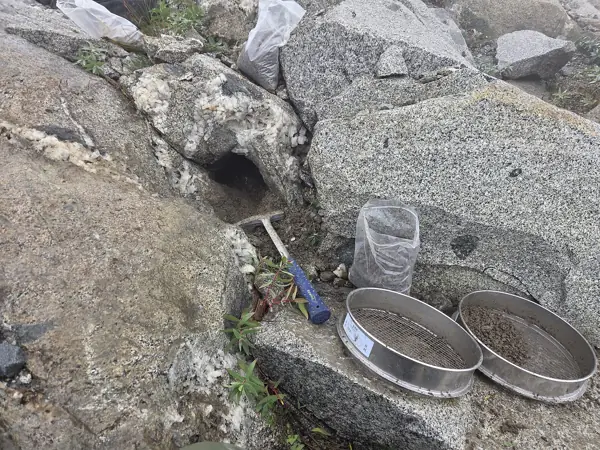
Photo: AdamKelliher, CC BY-SA 4.0 (credits). Illustrative.
For a typical gem mine or rockhounding trip, bring closed-toe shoes, safety glasses, gloves, sun protection, water, a container for finds and a loupe, plus the tools the site allows. Before you go, confirm the site's current hours, fees and rules on its official website, and for public land, check who manages it and whether it is under a mining claim. Some sites have strict tool rules: Crater of Diamonds State Park bans battery-operated and motorized tools, and Herkimer Diamond Mines requires closed-toe shoes and bans tools over 12 pounds. Use the checklist below and adjust it for your destination.
Before you leave
- Check official hours and fees. Mine schedules change by season and weather. We only list hours and fees that operators publish, so check each mine's own site before you drive.
- Check weather closures. Many sites close for storms. For example, Reed Gold Mine State Historic Site says panning is not available during moderate to heavy rain, for 30 minutes after thunder or lightning, or when the heat index is above 103 degrees.
- Check land status for public land. BLM allows collecting reasonable amounts for personal, noncommercial use in most areas, but not on mining claims, developed recreation sites or private mineral estate. National parks generally prohibit collecting. See the rockhounding laws guide.
- Check tool rules. Some sites provide tools; others ban certain ones.
- Tell someone your plans if you are going to a remote area.
Clothing
- Closed-toe shoes or boots; waterproof if you will be at a flume or creek
- Clothes you do not mind getting muddy or stained
- A hat and layers
- Rain gear
- A change of clothes and a towel for the drive home
Safety
- Safety glasses for any hammering or chiseling
- Work gloves
- Sunscreen and insect repellent
- A first-aid kit
- Plenty of water and snacks
- A phone, a charger and offline maps; many mining areas have no signal
See safety gear.
Tools for pay-to-dig mines
Many mines supply screens and flumes. You may still want:
- A small trowel or garden shovel, if allowed
- A loupe (loupes)
- Tweezers and small vials or bags for tiny stones
- A spray bottle of water to make stones show their color
- Egg cartons or padded boxes for fragile finds
Tools for gold panning
- A gold pan with riffles (gold pans and classifiers)
- A classifier screen
- A snuffer bottle and a vial
- A small shovel or scoop, where allowed
- A bucket (buckets and screens)
- Knee pads or a small stool
See how to pan for gold.
Tools for rockhounding and crystal digging
- A rock hammer and chisels (hammers, chisels)
- A pry bar or screwdriver for working crystals out of clay
- Buckets, newspaper or bubble wrap
- A backpack for carrying out finds
- A field guide (field guides)
Documents and money
- ID; some mines hold it while you borrow tools
- Payment; some rural mines may not take cards, so ask in advance
- Any required permits or passes
- Printed directions in case you lose signal
Rules to know on site
- Stay out of old mine workings. MSHA warns that abandoned mines contain hidden, often lethal hazards such as vertical shafts, unstable ground, bad air and flooded workings. Treat every opening as deadly.
- Follow the site's tool rules. Crater of Diamonds prohibits ladders and battery-operated or motorized mining tools. Herkimer Diamond Mines bans tools over 12 pounds and powered equipment.
- Respect limits. National Forests in North Carolina generally limit surface specimens to about 10 pounds and prohibit digging.
- Leave artifacts alone. Federal law protects archaeological resources on public land.
- Watch the water. California State Parks warns about river dangers at Marshall Gold Discovery; cold, fast water is a serious hazard.
After the trip
- Rinse and dry finds before packing them.
- Label each find with the location and date.
- Have stones identified by mine staff or a gem club.
- Consider tumbling or cutting your best stones: see the rock tumbling guide and getting finds cut or faceted.
Why preparation matters
Most disappointing gem trips go wrong before anyone picks up a screen. A mine may be closed for the season or for weather, a public area may be under a new mining claim, or the tool you brought may be banned. A few minutes on the operator's or agency's official website prevents most of these problems. Because hours and prices change, we deliberately do not repeat any hours or fees we cannot confirm from an official page; if a listing says unknown, call before you go.
Packing also shapes how much you enjoy the day. Gem mining is wet, dirty and often sunny. Children and adults alike last longer when they have dry socks, shade and snacks. Rockhounding in remote areas needs more: extra water, a spare tire, navigation that works without a signal, and someone who knows your route and return time.
Packing finds for the trip home
Finds can be damaged on the drive home. Wrap crystals and fragile specimens individually in newspaper or bubble wrap, keep heavy rocks in the bottom of a bucket or box, and pack small stones in labeled bags or vials. Do not leave wet clay-covered rocks sealed in plastic for days; rinse and let them dry first. If you are flying home, check your airline's rules for checked rocks and tools, and pack hammers and chisels in checked luggage.
Planning by trip type
- Family pay-to-dig day: clothing, sun protection, snacks, containers, and a loupe; the mine supplies the rest. See gem mining with kids.
- Creek panning day: waterproof boots, pan, classifier, snuffer bottle, vial, bucket and a cooler.
- Desert rockhounding trip: extra water, navigation, a hat, a hammer and chisels, a vehicle suited to the roads, and a check of land status.
- Crystal digging: gloves, clay-friendly clothes, buckets, padding and a pry tool.
Where to go
Browse the pay-to-dig gem mines, gold panning, rockhounding and mine tours lists, or start with our beginner's guide.
FAQ
What should I wear to a gem mine?
Closed-toe shoes, clothes you do not mind getting wet or muddy, a hat and sun protection. Some mines, such as Herkimer Diamond Mines, require closed-toe shoes.
Do I need to bring my own tools to a gem mine?
Usually not at pay-to-dig mines, which typically provide screens and a flume. Check the mine's site, since some ban certain tools.
What should I bring for rockhounding on public land?
A hammer, chisels, safety glasses, gloves, buckets, water, navigation and knowledge of land status. Check BLM or Forest Service rules first.
Can I bring power tools to a gem mine?
Often not. Crater of Diamonds bans battery-operated and motorized mining tools, and Herkimer Diamond Mines bans powered equipment.
Sources
- Reed Gold Mine – NC Historic Sites
- Crater of Diamonds State Park – Arkansas State Parks
- Mine – Herkimer Diamond Mines (official site)
- Rockhounding on Public Lands – Bureau of Land Management
- Recreational Mineral Collection – National Forests in North Carolina
- Stay Out of Abandoned Mines safety alert – MSHA
- Marshall Gold Discovery SHP – California State Parks
Sources checked 2026-11-04. Rules, hours and fees change; confirm with the operator or land manager before you go.