Rock Tumbling for Beginners: A Step-by-Step Guide
Updated 2026-11-04 · 1057 words
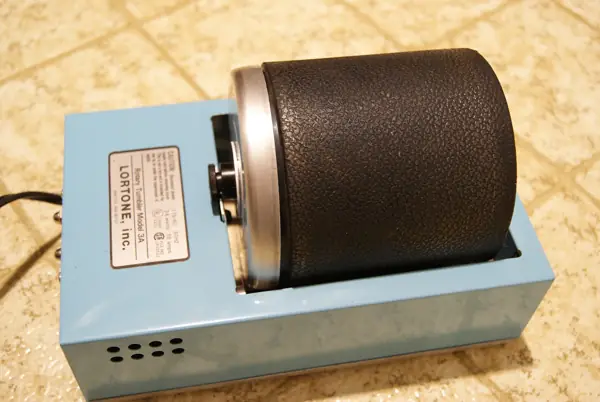
Photo: Zul32, CC BY-SA 3.0 (credits). Illustrative.
Rock tumbling turns rough stones into smooth, glossy pebbles by rolling them in a barrel with water and progressively finer abrasive grit. A typical rotary tumbler runs four stages: coarse grit, medium grit, pre-polish and polish. Lortone, a long-time U.S. tumbler maker, recommends about five to seven days per stage in its instructions, so a full batch takes about a month. This guide covers choosing rocks, loading the barrel, each stage, cleaning between stages, and the mistakes that ruin batches, using Lortone's published instructions as the main reference.
What you need
- A rotary tumbler. Hobby tumblers with plastic barrels are fine for a first batch; rubber barrels are quieter. See rock tumblers.
- Grit. Silicon carbide for the coarse and medium stages, and aluminum oxide pre-polish and polish. See tumbling grit and polish.
- Rocks of similar hardness. Mixing hard and soft rocks wears the soft ones away.
- Filler such as ceramic media or small rocks, to keep the barrel full as stones shrink.
- A strainer, a bucket and old toothbrushes for cleaning.
Choosing rocks
The best tumbling rocks are hard, fine-grained and free of cracks. Agate, jasper, chalcedony and quartz, all varieties of silica with a hardness around 7, are the classic choices because they take a high polish. Rocks with cracks, vugs or soft layers tend to break or pit and can contaminate a batch.
Many of the stones you collect at gem mines and on public land are good candidates. See how to identify common finds, and read the rockhounding laws guide before collecting on public land.
Loading the barrel
Lortone's instructions say to fill the barrel between one-half and two-thirds full with an assortment of rock sizes. A mix of sizes helps the stones grind against each other evenly. Add grit, then water until it just covers the rocks, following the amounts in your tumbler's instructions. Seal the barrel carefully and check for leaks before you leave it running.
Grit amounts
Lortone's chart for its QT rubber-barrel tumblers gives these amounts per stage:
- 6 lb barrel: 10 level tablespoons for each silicon carbide stage, 12 tablespoons for pre-polish and polish.
- 12 lb barrel: 20 tablespoons for each silicon carbide stage, 24 tablespoons for pre-polish and polish.
Other brands and barrel sizes differ, so use your own tumbler's instructions.
The four stages
- Coarse grind (silicon carbide, about 60/90 grit). This stage rounds sharp edges and removes pits. It does the most work, and it is the stage you may repeat if stones still have rough spots.
- Medium grind (silicon carbide, about 120/220 grit). Smooths the scratches left by the coarse stage.
- Pre-polish (aluminum oxide). Removes the fine scratches and leaves a satin finish.
- Polish (aluminum oxide). Brings out the shine.
Lortone's instructions call for about five to seven days per stage. Lortone suggests opening the barrel after the first two to three days of the coarse stage to check that rough edges are wearing down. Check stones again at the end of each stage. Only move on when every stone looks right for that stage; a stone that still has a rough spot after the coarse stage will still have it after polishing.
Cleaning between stages
This is the most important habit in tumbling. Lortone stresses cleaning thoroughly between stages: clean the rocks and barrel parts thoroughly with mild soap and water until no grit remains. A few grains of coarse grit carried into the polish stage can scratch an entire batch. Many tumblers keep separate brushes for each stage.
Disposing of grit slurry
Lortone's instructions warn not to pour the slurry or rinse water down a household drain, because it will clog the drain. Pour it into a bucket, let the solids settle, and dispose of the sludge in the trash, following local rules.
How long does it take?
With four stages of five to seven days each, expect about three to four weeks for a full batch, longer if you repeat the coarse stage. Tumbling is a patience hobby: the results come from time, not from more grit.
Common mistakes
- Mixing hardnesses. Soft stones will be ground down by harder ones.
- Too few or too many rocks. An underfilled barrel lets rocks crash and chip; an overfilled barrel does not tumble.
- Skipping cleaning. Grit contamination is the most common reason a polish fails.
- Rushing the coarse stage. Most of the final shape and smoothness is decided here.
- Not checking for leaks. Lortone says to wipe the barrel and lid mating surfaces clean, seat the inner lid properly, and tighten the knurled nut by hand only; overtightening with tools can distort the lid and cause leaks.
- Never venting. Lortone's troubleshooting notes that gas can build up in the barrel; open it occasionally to vent.
- Ignoring noise and location. Tumblers run around the clock. Place yours on a level surface in a garage or basement, away from bedrooms.
Choosing a tumbler
Rotary tumblers, the most common type, roll stones in a barrel and are best for rounded, beach-pebble shapes. Vibratory tumblers shake stones in place instead and keep more of their original shape, usually in less time, but they cost more. A small rotary tumbler is the usual starting point. See our rock tumbler gear picks.
Safety
- Wear gloves when handling slurry if you have sensitive skin.
- Keep the tumbler and its cord out of reach of children and pets.
- Unplug the tumbler before opening the barrel.
- Follow the manufacturer's rated capacity. Lortone notes its motors run continuously and normally feel hot to the touch, and that shaft bearings need one drop of light oil every 30 days of operation.
Where to find tumbling rock
- Gem mines. Many pay-to-dig mines sell rough by the pound. See the pay-to-dig list.
- Public land. BLM allows collecting reasonable amounts of rocks and minerals for personal, noncommercial use in most areas. See the rockhounding list.
- Agate beaches and gravel bars. Check local rules first.
What to do with tumbled stones
Tumbled stones can be used for jewelry, display, gifts or classroom kits. For more ambitious projects, such as cabochons or faceted gems, read our guide on getting your finds cut or faceted.
FAQ
How long does rock tumbling take?
Usually three to four weeks. Lortone's instructions suggest about five to seven days for each of the four stages.
How full should a rock tumbler barrel be?
Lortone recommends filling the barrel one-half to two-thirds full with an assortment of rock sizes.
Can I pour tumbler slurry down the drain?
No. Lortone warns not to pour slurry or rinse water down a household drain because it can clog pipes. Let it settle in a bucket and throw the solids in the trash.
What rocks are best for tumbling?
Hard, fine-grained rocks without cracks, such as agate, jasper and quartz, polish best. Tumble rocks of similar hardness together.
Sources
- QT Tumbler Instructions (PDF) – Lortone
- Rockhounding on Public Lands – Bureau of Land Management
- Quartz – USGS Gemstones
Sources checked 2026-11-04. Rules, hours and fees change; confirm with the operator or land manager before you go.