Fossil Hunting in the US: Where and How You Can Legally Collect
Updated 2026-11-04 · 1012 words
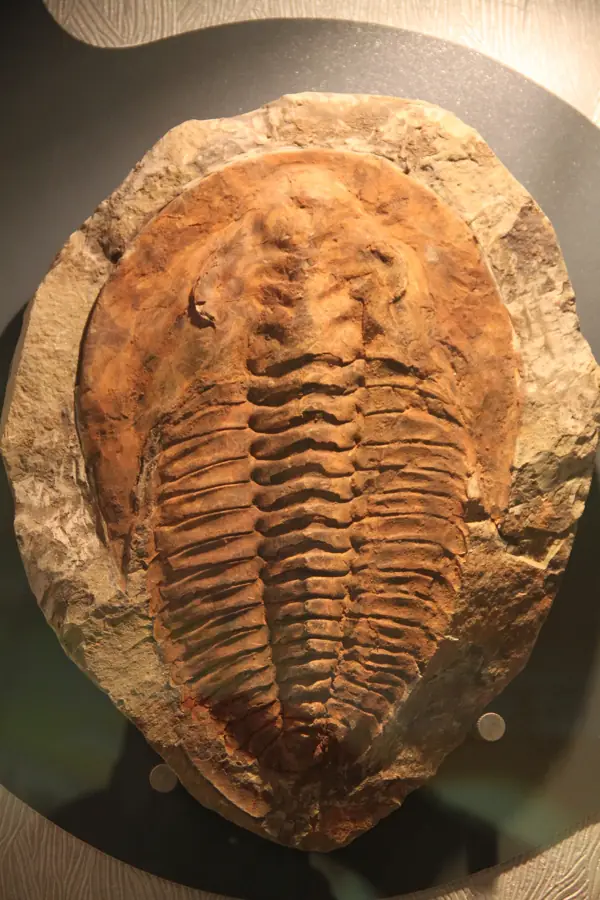
Photo: Gary Todd, CC0 (credits). Illustrative.
In the United States, you can legally collect many common fossils on BLM land and at private fee sites, but not in national parks. BLM allows collecting reasonable amounts of common invertebrate and plant fossils, such as shells, trilobites and leaves, for personal use, while vertebrate fossils, including dinosaur bones and teeth, need a permit on federal land. National Park Service rules prohibit removing fossils. The easiest way to start is at a fee site such as Penn Dixie in New York, which lets visitors collect and keep Devonian fossils. This guide explains the rules by land type and where to go.
The rules by land type
BLM land
BLM's "Can I Keep This?" page says you may collect reasonable amounts of common invertebrate fossils (animals without backbones, such as shells) and plant fossils for personal, noncommercial use, generally with hand tools and minor surface disturbance. Vertebrate fossils, which include bones, teeth and tracks of animals with backbones, may not be collected without a permit. These rules come from the Paleontological Resources Preservation Act of 2009 (PRPA), which NPS describes as the primary legislation for fossils on federal lands and which includes criminal and civil penalties for fossil crimes.
Petrified wood has its own limits on BLM land: under 43 CFR 3622.4, a person may take up to 25 pounds plus one piece per day, with a maximum of 250 pounds per year, for noncommercial use. Larger amounts require a permit.
National forests
Rules vary by forest. Some forests allow limited collection of common invertebrate fossils; others do not. The Black Hills National Forest, for example, says fossil collection is prohibited there. Check with the local ranger district before you collect.
National parks and monuments
NPS rules under 36 CFR 2.1 prohibit disturbing or removing fossils and minerals. Parks such as Petrified Forest National Park in Arizona, which NPS describes as holding one of the world's largest and most vivid collections of petrified wood, and Florissant Fossil Beds National Monument in Colorado, with petrified redwood stumps up to 14 feet wide and fossils of insects and plants about 34 million years old, are places to look and learn, not to collect.
State land
State rules vary widely. Many state parks prohibit collecting; others allow it at specific sites. Iowa's Geode State Park, for instance, is named after the state rock, but the Iowa DNR says removing geodes from the park is prohibited.
Private land
With the landowner's permission, you can collect on private land, which is why fee-based fossil parks are so popular.
Why fossil rules exist
Fossils are a non-renewable record of past life. Once one is removed without its location and rock layer recorded, much of its scientific value is gone. That is why federal law treats common invertebrate and plant fossils, which are abundant, differently from vertebrate fossils, which are rarer and more scientifically important. NPS notes that PRPA also provides for research collecting permits and the curation of fossil specimens in museum collections, so significant finds end up where scientists and the public can study them.
For hobby collectors, this means two simple habits: know who manages the land, and stick to common fossils unless you are working with a museum or permitted researcher. When in doubt, take a photo instead of the fossil.
Fee fossil sites in our directory
- Penn Dixie Fossil Park & Nature Reserve, Hamburg, New York: Penn Dixie describes itself as a 54-acre former cement quarry where visitors can collect and keep Devonian fossils, including trilobites, brachiopods and crinoids.
- Stonerose Fossil Dig, Republic, Washington: the listing describes staff showing visitors how and where to dig, identifying finds, and letting each visitor keep three fossils they choose.
- Fossil digging site, Fossil, Oregon, in the town of Fossil, Oregon; confirm current access before you go.
Check each site's official page for current hours, fees and collecting rules; we only list hours and fees operators publish.
What you can expect to find
- Brachiopods and clams: shells, common in limestone and shale.
- Trilobites: extinct marine arthropods, prized by collectors; often found as fragments.
- Crinoids: "sea lilies," whose stem pieces look like stacked discs.
- Corals: horn corals and colonial corals in limestone.
- Plant fossils: leaves, stems and seeds, often in shale.
- Petrified wood: wood replaced by silica.
- Shark teeth: North Carolina's state fossil is the megalodon tooth, according to the NC Geological Survey. Shark teeth are vertebrate fossils, so do not collect them on federal land without a permit.
Tools
- A rock hammer and chisels (hammers, chisels)
- Safety glasses and gloves (safety gear)
- A soft brush, a hand lens (loupes), newspaper and bags
- A field guide (field guides)
Technique
- Learn the rock. Fossils usually occur in sedimentary rocks: shale, limestone and sandstone. Split shale along its layers with a chisel.
- Search the surface. Many fossils weather out and can be picked up from loose rubble.
- Work carefully. Strike the rock gently along bedding planes. Fossils often break along the same planes.
- Wrap finds individually in newspaper.
- Label everything with the location, rock unit and date.
If you find something significant
If you find a vertebrate fossil, such as a bone, tooth or track, on public land, leave it in place, photograph it with something for scale, record the location, and report it to the land manager. Scientists rely on the location and context, which are lost when a fossil is removed.
Fossil safety
- Wear safety glasses when splitting rock.
- Stay away from quarry walls and cliff faces, which can collapse.
- Avoid old mine workings; MSHA warns they can be deadly.
Combining fossil hunting with rockhounding
Many rockhounding regions also have fossils. Oregon and Washington combine fossil sites with agate and thunderegg collecting; see thundereggs and Oregon rockhounding. Petrified wood is collectible on some BLM land within the limits above; see our rockhounding laws guide.
Browse the rockhounding list for sites in your state.
FAQ
Can I collect fossils on public land?
On BLM land you can collect reasonable amounts of common invertebrate and plant fossils for personal use. Vertebrate fossils need a permit. National parks prohibit collecting.
Can I keep a dinosaur bone I find?
Not on federal land. Vertebrate fossils on federal land are protected by the Paleontological Resources Preservation Act and may only be collected with a permit. Report the find to the land manager.
How much petrified wood can I take from BLM land?
Under 43 CFR 3622.4, up to 25 pounds plus one piece per day, with a maximum of 250 pounds per year, for noncommercial use.
Where can I dig for fossils and keep them?
Fee sites such as Penn Dixie Fossil Park in New York allow visitors to collect and keep fossils. Check each site's rules.
Sources
- Can I Keep This? – Bureau of Land Management
- Fossil Protection – National Park Service
- 43 CFR 3622.4 – Cornell LII
- 36 CFR 2.1 – Cornell LII
- Gold Panning, Rockhounding & Metal Detecting – Black Hills National Forest
- Petrified Forest National Park – NPS
- Florissant Fossil Beds National Monument – NPS
- Geode State Park – Iowa DNR
- Penn Dixie Fossil Park & Nature Reserve – official site
- NC Geology FAQ – North Carolina Geological Survey
Sources checked 2026-11-04. Rules, hours and fees change; confirm with the operator or land manager before you go.