Montana Sapphire Mining: Yogo, Spokane Bar and Gem Mountain
Updated 2026-11-04 · 1013 words
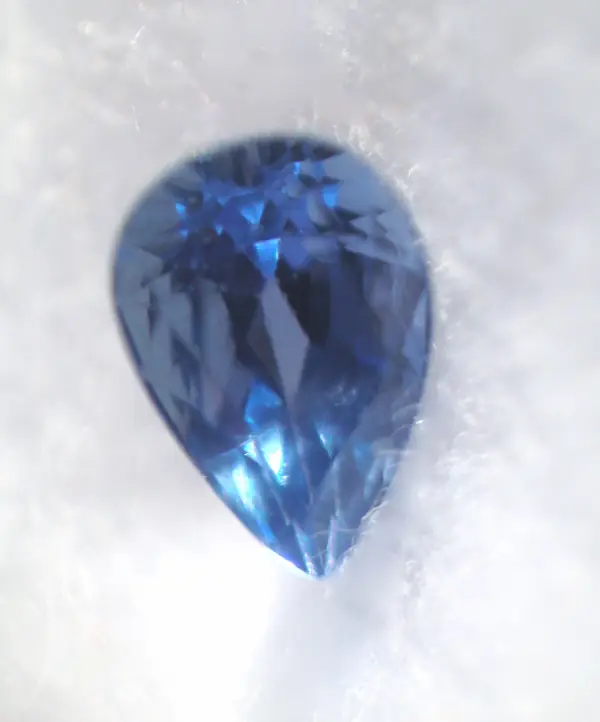
Photo: PumpkinSky, CC BY-SA 3.0 (credits). Illustrative.
Montana is the best place in the United States to find your own sapphires. Sapphire, together with Montana agate, is an official Montana state gemstone under state law, and Montana's gravel deposits have produced sapphires for well over a century. Visitors usually cannot dig at the famous Yogo Gulch deposit, but they can wash sapphire-bearing gravel at fee mines such as Spokane Bar Sapphire Mine near Helena and Gem Mountain in western Montana. This guide explains the difference between Montana's deposits and how the public mines work.
Why Montana has sapphires
Sapphire is gem corundum. Red corundum is ruby; every other color, including blue, yellow, green, pink and colorless, is sapphire. Montana sapphires are found in rock and in river and stream gravels across the western and central parts of the state, which is why the state has so many sapphire-themed place names and businesses.
A 2018 study in the Gemological Institute of America's journal Gems & Gemology describes several significant Montana sapphire sources: Yogo Gulch, Rock Creek, the Missouri River deposits and Dry Cottonwood Creek. GIA notes that Yogo Gulch is the only primary deposit in Montana, meaning the sapphires are still in the rock they formed in. Gravel deposits are secondary: sapphires have weathered out of their original rock and been carried and concentrated by water.
Yogo sapphires
Yogo Gulch is in Judith Basin County in central Montana. GIA's 2018 study describes Yogo sapphires as known for a vibrant, even blue to violet color and high clarity, and says they do not require heat treatment. The deposit is a dike, a sheet of igneous rock, that intruded Mississippian-age limestone and shale around 50 million years ago, about 75 km southwest of Lewistown. GIA notes that Yogo rough is often flat and tabular with a very low cutting yield, that stones over one carat are almost exclusively collector stones, and that the largest known Yogo crystal, found in 1910, weighed 19 carats. Sapphire mining at Yogo dates to the 1890s, when a sapphire-bearing dike was discovered and claimed in 1896.
Yogo Gulch is not a public pay-to-dig site in our directory, and we have no official source showing public digging there. If you want to find your own Montana sapphires, the gravel mines below are the practical choice.
Gravel sapphires: what you can wash
Sapphires from Montana's secondary deposits come in a wide range of pale colors: blue, green, yellow, pink and blends. GIA describes Yogo sapphires as unique among Montana deposits, so expect gravel stones to look different from the famous cornflower-blue Yogos. In gravel, rough sapphires look like small, rounded, glassy pebbles, often flattened, and they are heavy for their size, so they concentrate in the bottom of a screen.
Spokane Bar Sapphire Mine (near Helena)
Spokane Bar Sapphire Mine describes finding Montana sapphires in its mine gravel by digging, bucketing and screening. As of our November 2026 check, its official website listed summer hours for the mine and rock shop as 9 a.m. to 5 p.m., Thursday to Sunday, and said it is open year-round, suggesting a call in early spring about ground conditions. We do not show fees because they were not stated on the page we checked.
Gem Mountain Sapphire Mine (western Montana)
Gem Mountain Sapphire Mine describes washing natural sapphire gravel from its mine with equipment provided. Its official website listed the 2026 mine location season as May 20 to September 5. The mine is on Montana Highway 38; check the official site for directions and current details.
How washing sapphire gravel works
The method is similar at most gravel mines:
- Buy gravel or a dig ticket.
- Wash a few handfuls in a screen in water, shaking it in a circular motion so heavy stones move to the center.
- Flip the screen onto a flat surface so the heaviest material, where sapphires concentrate, ends up on top in the middle.
- Pick out sapphires with tweezers.
Staff usually show you how to do it, and many mines can identify, heat-treat or cut your stones for a fee. Ask what is included before you buy.
Choosing between them
- Location. Spokane Bar is near Helena. Gem Mountain is in western Montana on Highway 38. Pair a trip with nearby towns and public lands.
- Season. Gem Mountain listed a defined summer season for 2026; Spokane Bar listed summer days and year-round operation. Confirm before you drive.
- Experience. Both describe washing gravel with instruction, which suits beginners and families.
Neither mine's fees appear on our pages because we only list prices the operator publishes. Call or check the official site.
Other Montana collecting
Montana agate, the state's other official gemstone, is found in gravels of the Yellowstone River area in eastern Montana. Agate collecting on public land follows land-manager rules; on BLM land, the agency allows reasonable amounts for personal, noncommercial use. Read our rockhounding laws guide first.
After you find sapphires
Most gravel sapphires are small. Pale stones may be candidates for heat treatment, which some mines offer. For faceting, see our guide on getting finds cut or faceted. For identification tips, see how to identify common finds.
Planning tips
- Montana summers are short in the mountains. Many operations run only in the warmer months.
- Bring layers, sun protection and water. Gravel washing is wet work.
- Check road conditions and drive times; distances are long.
- Bring a small container and tweezers for tiny stones.
See all Montana listings and the full pay-to-dig list.
Is it worth it?
For most visitors, a Montana sapphire mine is about the experience: washing real local gravel and sorting your own stones. Most finds are small, and their value depends on color, size, clarity and whether they are worth cutting. Have stones identified by mine staff or a gemologist before assuming they are valuable, and treat anything you find as a souvenir first. Sapphire has a hardness of 9, so a cut Montana sapphire makes a durable stone for a ring or pendant.
FAQ
Where can I dig for sapphires in Montana?
Fee mines such as Spokane Bar Sapphire Mine near Helena and Gem Mountain Sapphire Mine in western Montana let visitors wash sapphire-bearing gravel. Check each mine's site for current hours and season.
What is a Yogo sapphire?
A sapphire from Yogo Gulch in Judith Basin County, Montana. GIA describes Yogos as an even blue to violet color with high clarity, usually untreated, and usually small because the rough is flat.
Is sapphire Montana's state gem?
Yes. Under Montana Code 1-1-505, the sapphire and the Montana agate are the official state gemstones.
Can you keep the sapphires you find?
At fee mines you typically keep what you find under the mine's rules. Confirm with the operator.
Sources
- MCA 1-1-505 State gem stones – Montana Legislature
- Gemological Characterization of Sapphires from Yogo Gulch, Montana – GIA Gems & Gemology (2018)
- Spokane Bar Sapphire Mine – official site
- Gem Mountain Sapphire Mine – official site
- Rockhounding on Public Lands – Bureau of Land Management
Sources checked 2026-11-04. Rules, hours and fees change; confirm with the operator or land manager before you go.